Newsletter Subscribe
Enter your email address below and subscribe to our newsletter

 ByJohn A
Crypto futures are standardized contracts to buy or sell a chosen cryptocurrency at a fixed price on a set future date. They enable speculation on price directions and risk hedging, with positions that can be long or short and amplified by leverage. Margin requirements, funding fees, and potential liquidations shape risk alongside platform security and costs. Beginners can start with simple strategies and disciplined risk controls, but the topic invites careful analysis before committing capital. The next step reveals how contracts, leverage, and margins interact in practice.
Crypto futures are financial contracts that obligate or grant the option to buy or sell a specified cryptocurrency at a predetermined price on or before a set date. They enable strategic exposure and hedging within markets, influencing liquidity and accessibility.
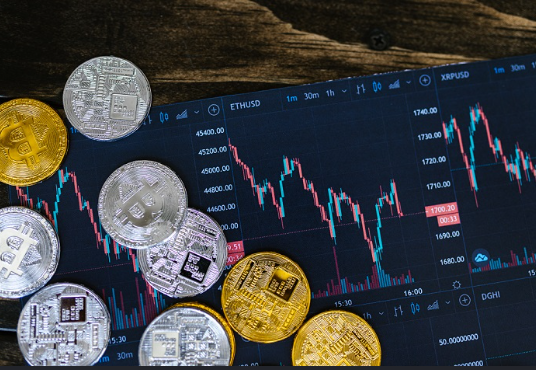
A crypto exchange provides venue and pricing data, while price volatility shapes risk assessment, decision-making, and the perceived value of these instruments.
See also: needtechhelp
The mechanics of crypto futures hinge on standardized contracts that specify a fixed price, quantity, and expiration date, enabling participants to take long or short positions based on anticipated price movements.
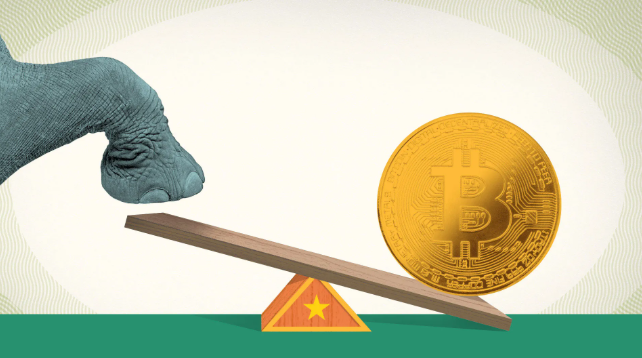
Contracts unlock leverage, amplifying exposure while requiring margin; liquidations occur if losses exceed margin.
cryptography basics and liquidity pools underpin secure pricing and liquidity, supporting transparent, permissioned trading environments.
Common strategies for crypto futures balance risk and opportunity by focusing on price direction, time frame, and risk management. In practice, beginners assess simple setups, confirm with market context, and apply disciplined position sizing. Real-world scenarios illustrate steady trend plays and reversals, emphasizing calm execution. Themes to avoid, beginner panic, and abrupt trades undermine discipline and learning, undermining long-term confidence.
Investors moving from general strategy to practical execution should understand the risks, fees, and safety practices that govern crypto futures. Risk management frameworks prioritize position sizing, leverage limits, and stop mechanisms to mitigate losses.
Fees include funding rates and spreads, impacting net returns. Platform security measures, including authentication and cold storage, minimize theft risk while encouraging disciplined, informed participation.
Tax treatment of crypto futures varies by jurisdiction, with gains often treated as capital or ordinary income. Reporting requirements may include detailed transaction records, annual tax forms, and cryptocurrency-specific disclosures, enabling individuals seeking freedom to comply efficiently.
Short selling crypto futures with limited capital is risky; margin limits constrain initial exposure, requiring careful risk management. Although possible via smaller contract sizes, traders must monitor leverage, maintenance margins, and potential liquidations to preserve capital.
Funding rate dynamics influence ongoing positions: perpetual futures incur or pay funding periodically, whereas dated futures settle at expiry. This distinction shapes risk and leverage decisions, aligning incentives with market sentiment while offering freedom to diversify across instruments.
Differences between contracts exist: perpetual futures have no expiry, funding rate mechanics set ongoing prices, whereas dated futures terminate at a fixed date. Pricing mechanisms vs. traditional futures differ: perpetuals rely on funding; dated futures use standard settlement rules.
During exchange downtime, liquidity freezes and trading halts occur; What happens is orderly risk management, maintenance windows, and data integrity checks. Exchange downtime is planned or emergent, assets remain but order books pause until platforms resume functioning.
In the final horizon, the market hums with potential as numbers flicker and shift. Futures loom like distant weather fronts—predictions that can avalanche or abate with a single tick of the clock. Leverage stretches the line between gain and loss, while margins stand as quiet sentinels, ready to enforce discipline. For newcomers, the landscape remains a maze of possibility and peril: study, observe, and wait for a clear signal before stepping into the current. The suspense lingers.